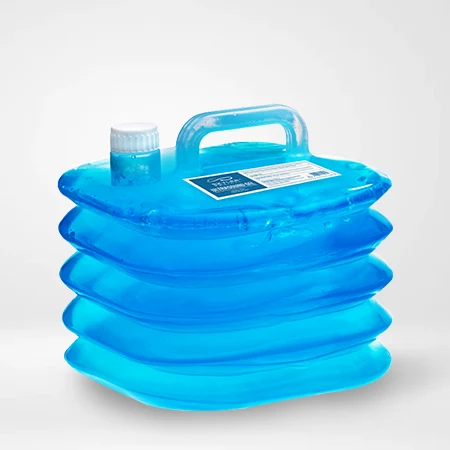
A practical guide to what ultrasound gel is, how sterile and non-sterile grades differ, and what clinics, distributors and brand owners should check before ordering.
Written & researched by Poh Tze Kheng, Founder, ORIZI Group · Technical input by Skyler Medical Production Team · Fact-checked by ORIZI Group Editorial · Published by Skyler Medical (an ORIZI Group company) · Last reviewed September 2026
Disclosure: This article is published by Skyler Medical, an ORIZI Group company, and may refer to our own manufacturing experience and capabilities. External factual claims are supported by cited sources. It is general information for procurement and industry readers, not medical advice.
Quick Answer
Ultrasound gel is a water-based coupling gel applied between an ultrasound transducer and the skin. It displaces air so that ultrasound waves pass into the body without being scattered, which is what makes a clear image possible. It is supplied in two grades: non-sterile gel for routine scans on intact skin, and sterile gel for procedures involving broken skin, wounds or needle guidance. Buyers should match the grade to the clinical use, check the supplier’s regulatory status, and confirm packaging format before ordering.
Key Takeaways
- Ultrasound gel is an acoustic couplant — its job is to eliminate air between probe and skin, not to lubricate or conduct electricity.
- Sterile and non-sterile grades exist for different situations; using the wrong grade is a recognised infection-control risk.
- Most formulations are water-based with thickeners and humectants, and should be non-staining, non-irritating and probe-safe.
- In Malaysia, medical devices are regulated by the Medical Device Authority (MDA) under the Medical Device Act 2012 (Act 737).
- Packaging format (bottle, refill, sachet) affects cost per scan, hygiene and wastage — decide it as carefully as the formulation.
Scope of this guide
This guide covers ultrasound transmission gel as used in clinics, hospitals, veterinary practices and aesthetic settings. It is written for procurement teams, distributors and brands considering white-label supply, with Malaysia as the reference market. It does not cover clinical scanning technique or diagnosis.
What is ultrasound gel and what does it do?
Ultrasound gel is a conductive medium for sound, not electricity. Ultrasound waves travel poorly through air — even a thin air gap between the transducer and the skin reflects most of the signal back before it enters the body. A layer of gel fills that gap so the sound energy couples into the tissue and returns to the probe cleanly. General information on how ultrasound imaging works is published by the US FDA’s ultrasound imaging overview.
Because the gel sits on skin for many scans a day, a well-made gel also needs to be gentle: pH-balanced for skin contact, free of fragrance-driven irritation, easy to wipe off, and non-damaging to the transducer’s surface materials.
What is ultrasound gel made of?
Typical ultrasound gel is more than 90 percent water, thickened into a stable gel with polymers and kept moist with humectants such as glycerine or propylene glycol, plus preservatives to control microbial growth in opened containers. A good formulation balances four properties:
- Acoustic transparency — it must not distort the image.
- Viscosity — thick enough to stay where it is applied, thin enough to spread and dispense easily.
- Skin compatibility — non-irritating and non-staining on skin and clothing.
- Stability — consistent texture across its shelf life and normal storage temperatures.
Sterile vs non-sterile ultrasound gel: which should you use?
Non-sterile gel is appropriate for routine scanning on intact, healthy skin. Sterile gel — supplied in sealed single-use packs — is standard infection-control practice where the scan involves broken skin, mucous membranes, fresh surgical wounds or needle guidance, because contaminated gel has been linked to infection outbreaks in healthcare settings. The World Health Organization’s infection prevention and control resources set out the general principles facilities apply when deciding such controls.
| Non-sterile gel | Sterile gel | |
|---|---|---|
| Typical use | Routine scans on intact skin | Procedures with broken skin, wounds or needle guidance |
| Packaging | Multi-use bottles, refill jugs | Sealed single-use sachets or pouches |
| Handling | Reused across patients; bottle hygiene matters | Opened at point of use, discarded after one patient |
| Cost per scan | Lower | Higher, justified by risk reduction |
Skyler Medical manufactures ultrasound gel in both sterile and non-sterile formats — see the Skyler Medical product range for details.
How is ultrasound gel manufactured and quality-controlled?
Production is a controlled mixing and filling process: purified water is blended with thickeners and humectants under controlled shear, the batch is checked for viscosity, pH and appearance, then filled into bottles or sachets. Sterile formats add a validated sterilisation step and sealed single-use packaging. Internationally, the reference quality-management standard for medical device manufacturing is ISO 13485, which governs how a factory controls design, production, traceability and complaint handling.
In Malaysia, medical devices must be registered with the Medical Device Authority (MDA) before being placed on the market, under the Medical Device Act 2012 (Act 737). Coupling gels generally sit in the lower-risk classes of Malaysia’s four-class system, but the exact classification depends on intended use — confirm it against current MDA guidance for your product and claims.
What should buyers check before ordering ultrasound gel?
- Grade match — does your use case need sterile, non-sterile, or both kept in stock?
- Regulatory documents — ask the manufacturer for its current registrations and certificates rather than relying on marketing pages.
- Packaging format — bottles for routine departments, sachets where single-use hygiene or field use matters.
- Batch documentation — certificates of analysis, batch numbers and shelf-life data should come with every order.
- Supply consistency — a gel that changes viscosity between batches creates daily friction for sonographers.
If you are comparing manufacturers rather than finished products, our guide on how to choose a medical gel OEM manufacturer in Malaysia covers the factory-level questions to ask.
The Skyler Medical perspective
Based on Skyler Medical’s manufacturing experience in Perak, Malaysia, the most common avoidable problem we see in ultrasound gel procurement is treating packaging as an afterthought. Two examples: clinics that switch from bottles to refill jugs to save cost sometimes lose that saving to spillage and bottle-hygiene workload; and buyers who order one large batch without agreeing a delivery schedule end up storing gel beyond ideal conditions. We encourage buyers to decide format, delivery cadence and storage together, not just price per litre.
Risks, limitations and common mistakes
- Using non-sterile gel in situations that call for sterile gel is an infection-control failure, not a cost saving.
- Topping up part-used bottles instead of replacing them can carry contamination forward.
- Gel stored in direct heat or sunlight can thin out or separate before its printed expiry.
- This article describes general practice; each facility’s infection-control policy and each market’s regulations take precedence.
Frequently Asked Questions
Is ultrasound gel the same as ECG gel?
No. Ultrasound gel couples sound; ECG gel is formulated to conduct electricity between skin and electrodes. They are not interchangeable — see our ECG gel guide for the differences.
Can ultrasound gel be used as a lubricant?
It is not designed for that purpose. Medical lubricant gel is a separate product with its own formulation and grades — our medical lubricant gel guide explains when each grade is used.
Does ultrasound gel expire?
Yes. Sealed gel carries a printed shelf life, typically two to three years depending on the formulation and packaging, and opened multi-use bottles should be used within the period set by the facility’s own policy.
Can we put our own brand on ultrasound gel?
Yes. White-label (OEM) supply is common: the manufacturer produces to an agreed formulation and fills into your branded packaging. Registration obligations for the branded product still apply in each market where it is sold.
What packaging sizes are common?
Typical formats are 250 ml squeeze bottles for daily scanning, 5 litre refills for high-volume departments, and 20 g single-use sachets for sterile or field use. The right mix depends on scan volume and hygiene policy.
Sources & references
- US FDA — Ultrasound Imaging overview
- WHO — Infection prevention and control
- ISO — ISO 13485 Medical devices quality management
- Medical Device Authority (MDA), Malaysia
Update history
September 2026 — First published.
Looking for ultrasound gel supply or white-label manufacturing? Skyler Medical manufactures sterile and non-sterile ultrasound gel in Perak, Malaysia. Tell us your format and volume through our contact page or email sales@skylermedical.com, and ask for our current certification and registration documents.